The Ultimate Guide to Relocating to Myrtle Beach: What You Need to Know
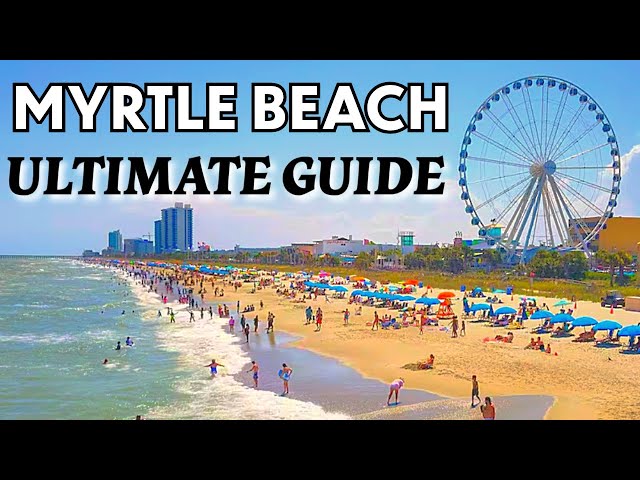 Relocating to Myrtle Beach, SC, is an exciting journey filled with opportunities for a vibrant lifestyle, coastal charm, and warm southern hospitality. As you plan your move to the Grand Strand, this guide will walk you through everything you need to know, from neighborhoods and schools to recreation and local culture.
1. Overview of Myrtle Beach and the Grand Strand
Myrtle Beach is the heart of the Grand Strand, a 60-mile stretch of coastline offering diverse communities, pristine beaches, and a laid-back lifestyle. Known for its mild weather, family-friendly atmosphere, and affordability, it’s a top destination for retirees, families, and professionals.
• Population: Approximately 37,000 in Myrtle Beach proper; the Grand Strand hosts hundreds of thousands more.
• Climate: Subtropical, with warm summers and mild winters.
2. Neighborhoods: Finding Your Perfect Fit
The Grand Strand features a variety of neighborhoods to suit every lifestyle:
• Families:
• Carolina Forest – Known for excellent schools, parks, and family-oriented amenities.
• The Farm at Carolina Forest – A sought-after community with a mix of homes, walking trails, and recreational facilities.
• Retirees:
• Murrells Inlet – The “Seafood Capital of South Carolina” with waterfront dining and a quiet, relaxed atmosphere.
• Barefoot Resort in North Myrtle Beach – A resort-style community with golf courses and luxury amenities.
• Professionals and Singles:
• Market Common – A trendy area offering shopping, dining, and modern housing options.
• Luxury Buyers:
• Grande Dunes – Waterfront properties and upscale living with access to a private marina and golf courses.
3. Schools and Education
Myrtle Beach offers a mix of public, private, and charter schools, as well as higher education options:
• Top Public Schools:
• Carolina Forest High School
• Myrtle Beach High School
• Private Schools:
• Christian Academy of Myrtle Beach
• St. James Catholic School
• Colleges and Universities:
• Coastal Carolina University
• Horry-Georgetown Technical College
4. Lifestyle and Culture
Myrtle Beach blends coastal living with southern charm:
• Cuisine: Fresh seafood, southern comfort food, and a growing number of international dining options.
• Festivals: Events like the Carolina Country Music Fest, Myrtle Beach Bike Week, and ShrimpFest.
• Local Charm: A mix of laid-back beach vibes and lively nightlife along Ocean Boulevard.
5. Amenities and Recreation
Myrtle Beach offers world-class amenities for relaxation, recreation, and entertainment:
• Golf: Over 80 championship golf courses, earning the title “Golf Capital of the World.”
• Shopping: Tanger Outlets, Coastal Grand Mall, and boutique shops at Market Common.
• Recreation:
• Beaches: 60 miles of coastline with public access points.
• Outdoor Fun: Brookgreen Gardens, Myrtle Beach State Park, and the Intracoastal Waterway for boating.
• Family Attractions: Broadway at the Beach, Ripley’s Aquarium, and SkyWheel.
6. Cost of Living and Housing Market
Myrtle Beach offers an affordable cost of living compared to many coastal areas:
• Median Home Price (2025): Around $300,000, depending on the neighborhood.
• Property Taxes: Low compared to national averages.
7. Transportation and Accessibility
• Highways: Easy access via Highways 501, 17, and 31.
• Airport: Myrtle Beach International Airport (MYR) connects you to major U.S. cities.
• Public Transport: Limited, so owning a car is recommended.
8. Need-to-Knows for New Residents
• Utilities and Services:
• Electricity: Santee Cooper or Horry Electric Cooperative.
• Water: Myrtle Beach Public Works.
• Hurricane Preparedness: Myrtle Beach is in a hurricane-prone area. Be prepared with an emergency plan.
• Local Laws:
• Short-term rentals are regulated in many areas.
• Some beaches have leash laws for dogs.
9. Why Work With a Local Realtor?
Relocating is more than just finding a home—it’s about choosing a community that matches your lifestyle. As a seasoned real estate professional in Myrtle Beach with 48 years of experience, I specialize in making your move seamless and stress-free. From identifying the perfect neighborhood to navigating the local market, I’m here to guide you every step of the way.
Final Thoughts
Myrtle Beach is more than just a vacation destination—it’s a place to call home. Whether you’re drawn by the beaches, the lifestyle, or the affordability, relocating here opens the door to a new chapter full of possibilities.
Ready to make the move? Let’s find the perfect home for you in Myrtle Beach. Contact me today, and let’s get started on your journey to coastal living!
Feb. 3, 2025
Living the Dream: Golf Course Homes & Condos in Myrtle Beach
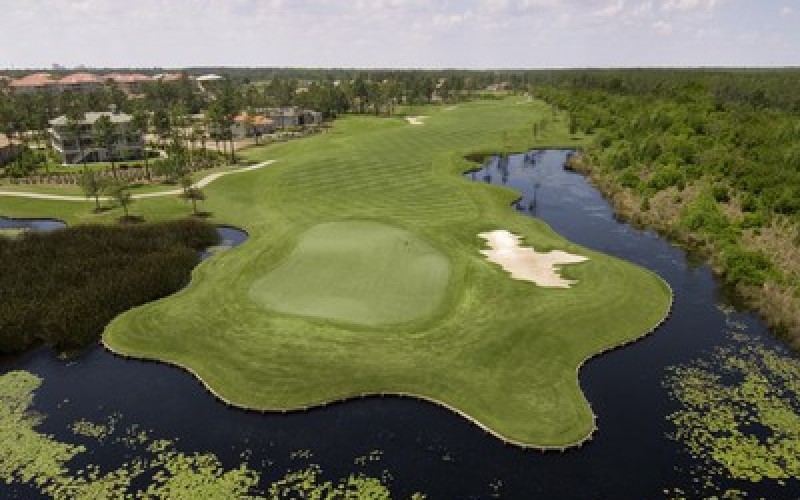 If you've ever dreamed of waking up to lush fairways, beautifully designed courses, and resort-style amenities, a home in one of Myrtle Beach's prestigious golf course communities might be perfect. Whether you're an avid golfer or love these communities' peaceful, scenic surroundings, there's something special about living inside a professional, world-class golf development.
And the best part? Many of these homes are just minutes from the beach! So, whether you're hitting the greens or the sand, Myrtle Beach offers the best of both worlds.
👉 Check out the latest homes available in Myrtle Beach golf course communities:
Why Live in a Myrtle Beach Golf Course Community?
1. Professionally Designed Courses Right in Your Backyard
Myrtle Beach is known as the World's Golf Capital for a reason! With more than 90 championship courses, many designed by legends like Jack Nicklaus, Arnold Palmer, and Greg Norman, living in a golf community means having direct access to some of the best courses in the country.
Imagine finishing a morning round and walking straight back to your home—no traffic, no commute, just golf at your doorstep.
2. Resort-Style Amenities & Perks
Golf course communities in the Grand Strand aren't just about the greens. They offer exclusive amenities such as:
🏌️ Clubhouses & Pro Shops – Social hubs with restaurants, bars, and golf pros available for lessons
🏊 Resort-Style Pools & Spas – Perfect for relaxing after a day on the course
🎾 Tennis & Pickleball Courts – Enjoy an active lifestyle beyond just golf
🚶 Walking & Biking Trails – Scenic paths for a morning run or evening stroll
🍽️ Fine Dining & Social Events – Many communities have private restaurants and host special event
I had a client move into Grande Dunes, and they told me, "Tony, I feel like I'm on vacation every day!" And that's exactly what these communities offer—a permanent vacation lifestyle.
3. Year-Round Golf & Mild Coastal Climate
Myrtle Beach is a golfer's paradise all year, with over 215 sunny days per year and mild winters. There is no snow to shovel, no extreme cold—just comfortable weather that lets you enjoy the outdoors any time you want.
4. Close to the Beach & Entertainment
One of the biggest perks of Myrtle Beach's golf course communities? You're never far from the beach!
Many of these homes are just 5-10 minutes from the Atlantic Ocean, meaning you can spend the morning on the course and the afternoon lounging by the waves. Plus, with shopping, dining, and live entertainment nearby, there's always something fun to do.
5. A Smart Investment Opportunity
Golf course homes hold their value well and often appeal to retirees, vacation home buyers, and investors looking for rental properties. With Myrtle Beach being a popular tourist and golf destination, many homeowners see great resale value and rental income potential.
👉 Want to see what's currently available? Browse all just-listed golf course homes here:
Thinking About Selling Your Home? Let's Talk!
If you already own a home and are considering selling—whether it's a golf course home or another property in the Grand Strand—I can help!
🏡 Want to sell for top dollar? I'll market your home to attract buyers and get you the best price possible.
💰 Need a fast, hassle-free sale? I can provide a cash offer option if you're looking for a quick closing with no showings or repairs.
I believe in tailoring the selling experience to your needs, whether that means listing on the open market or exploring a stress-free cash sale. What's best for you? Let's chat!
👉 See what selling options are available here:
Ready to explore your next move? Call, text, or email me. I'd love to help you find the perfect golf course home or sell your current one easily.
Tony Robusto
Realtor Emeritus | Myrtle Beach Grand Strand Real Estate
Realty One Group Dockside
#MyrtleBeachHomes #GolfCourseLiving #GrandStrandRealEstate #LuxuryHomes #MyrtleBeachLife #GolfCommunity #GatedCommunities #LiveWhereYouPlay #TonyRobusto #RealtyOneGroupDockside #Conway #NorthMyrtleBeach
Feb. 1, 2025
Explore Oceanfront Homes in the Grand Strand – Updated Every 5 Minutes!
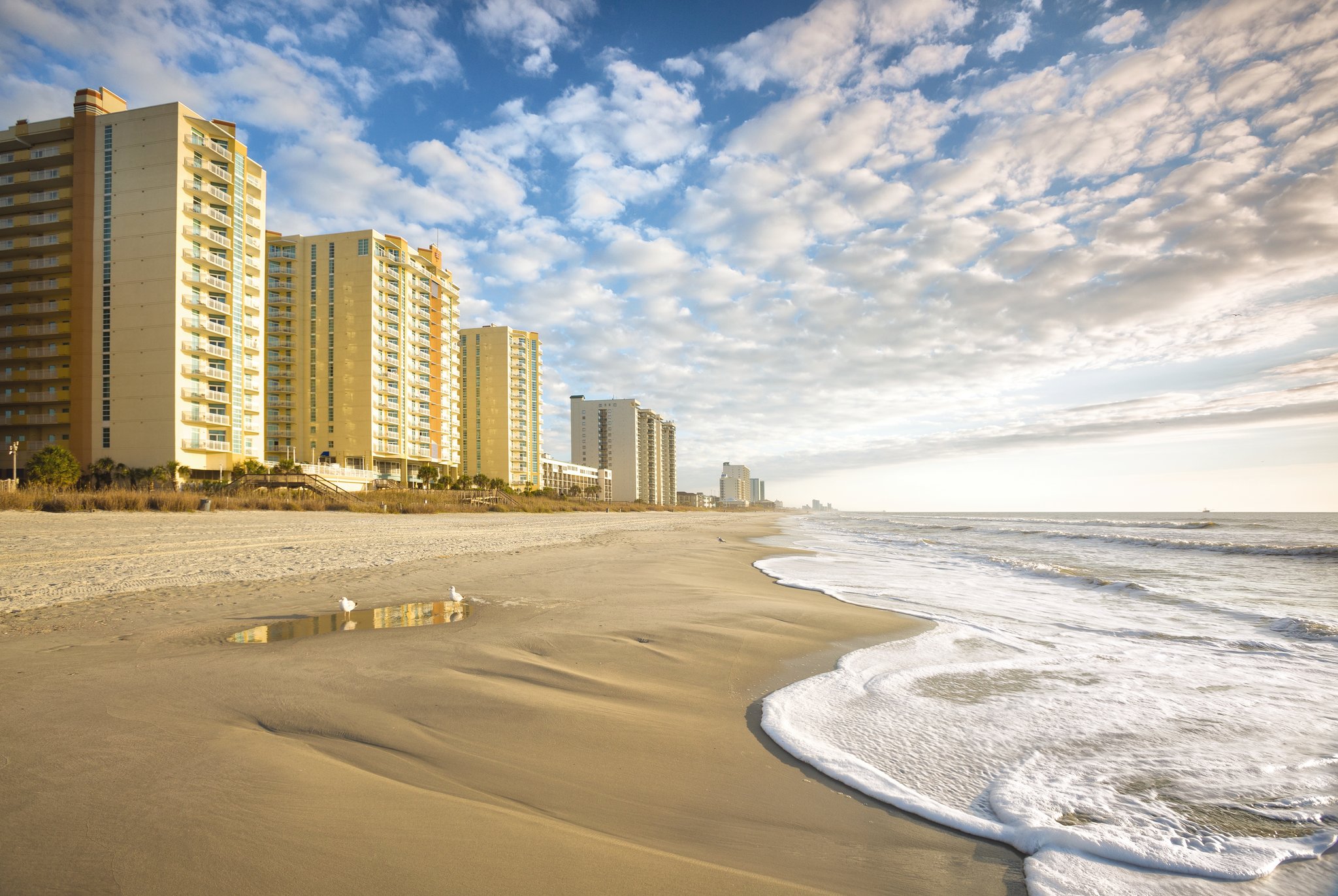 If you’ve dreamed of owning an oceanfront home in Myrtle Beach or anywhere along the Grand Strand, now is the time to move! Whether you’re looking for a luxury beachfront condo, a charming coastal cottage, or a spacious family home with ocean views, I’ve made it easy to find the perfect place.
🔹 Browse the Latest Listings – Updated Every 5 Minutes!
My online showcase of just-listed oceanfront homes is constantly refreshed, so you’ll always have access to the newest properties on the market. No outdated listings, no guessing—just real-time updates on available homes.
🔗 Explore Oceanfront Homes Now
Why Live Oceanfront in the Grand Strand?
There’s a reason why buyers from all over the country are drawn to Myrtle Beach, Pawleys Island, North Myrtle Beach, and Murrells Inlet. Here’s what makes oceanfront living here so special:
✔️ Endless Views – Wake up to stunning sunrises over the Atlantic.
✔️ Beach Access – Step outside and feel the sand between your toes.
✔️ Resort-Style Amenities – Many properties feature pools, fitness centers, and private balconies.
✔️ Great Investment Potential – Oceanfront homes hold value for personal use or rental income.
Finding the Right Oceanfront Property for You
Every buyer has different needs. Some want a low-maintenance condo with luxury amenities, while others want a spacious single-family home with direct beach access. Whatever your vision, I’m here to help match you with the right property.
Want to see what’s available? Click below to browse all oceanfront homes currently on the market:
🔗 View Just-Listed Oceanfront Homes
Thinking of Selling Your Current Home? I Can Help!
If you already own a home and are looking to make your next move seamless and stress-free, I offer multiple selling strategies to fit your needs:
✔️ Get a Fast Cash Offer – Need to sell quickly? I can connect you with a cash buyer for a fast, hassle-free closing—no repairs, showings, or waiting.
✔️ List on the Open Market – Want to achieve the highest and best price? I’ll help you price it right, market it professionally, and attract top buyers.
No matter your situation, we can easily find the right approach to get you into your dream oceanfront home.
🔗 Get a Cash Offer or List Your Home
Want to discuss your options? Call, text, or email me. I’d love to help make your next move your best move.
Tony Robusto
Realtor Emeritus | Myrtle Beach Grand Strand Real Estate
Realty One Group Dockside
#MyrtleBeachHomes #GrandStrandRealEstate #OceanfrontLiving #BeachfrontHomes #MyrtleBeachLife #CoastalLiving #SellMyHome #CashOffer #LuxuryRealEstate #TonyRobusto #Realtyonegroup
Jan. 31, 2025
Your Dream Home Awaits: Just-Listed Homes in Myrtle Beach & The Grand Strand
 If you’ve been dreaming of owning a home in Myrtle Beach or anywhere along the Grand Strand, now might be the perfect time to make that dream a reality. Whether you’re looking for a charming beach cottage, a modern family home, or a golf-course retreat, there’s something special about the homes hitting the market right now.
Why Myrtle Beach?
I’ve been working in real estate here for years, and I can tell you firsthand—there’s nothing quite like life along the Grand Strand. The gorgeous beaches, top-tier golf courses, and lively communities make this area a sought-after destination for full-time residents and vacation homeowners. Plus, with a price range between $250,000 and $500,000, you can find incredible properties that balance affordability and lifestyle.
What You Can Expect in This Price Range
Homes in this range often feature:
✔️ Updated Interiors – Many homes have modern kitchens, open floor plans, and stylish finishes.
✔️ Prime Locations – Whether you prefer being close to the beach, near top schools, or in a peaceful golf community, you have options.
✔️ Outdoor Living Spaces – Enjoy screened porches, large backyards, or even a home with a water view.
✔️ Community Perks – Many neighborhoods offer pools, walking trails, and private beach access.
My Take as a Local Realtor
I’ve helped countless buyers find their perfect spot in Myrtle Beach, and I always tell them—to act fast! The market here moves quickly, and the best homes don’t stay available for long. If you see something you love, don’t hesitate to reach out.
Click below to explore the latest just-listed homes in Myrtle Beach and the Grand Strand, all priced between $250,000 and $500,000:
🔗 View Just-Listed Homes Now
Need help navigating the market? I’d love to discuss what you’re looking for and how we can make it happen. Give me a call, shoot me a message, or let’s grab a coffee—Myrtle Beach-style!
Tony Robusto
Realtor Emeritus | Myrtle Beach Grand Strand Real Estate
Realty One Group Dockside
#MyrtleBeachHomes #GrandStrandRealEstate #JustListed #CoastalLiving #HomeBuying #HouseHunting #SCRealEstate #MyrtleBeachLife #TonyRobusto #homebuyers #firsttimehomebuyers #Realtyonegroup
Jan. 30, 2025
 How to Interpret a Comparative Market Analysis (CMA)
Whether you’re selling your home or just curious about its value, a Comparative Market Analysis (CMA) is one of the most powerful tools in real estate. As a professional realtor in the Myrtle Beach Grand Strand, I create CMAs regularly to help sellers price their homes competitively and help buyers determine if a listing is fairly priced.
But if you’ve ever looked at a CMA, you know—it’s a lot of numbers. So, how do you make sense of it? Let me break it down for you in simple terms.
What Is a CMA?
A Comparative Market Analysis is a report that evaluates recent home sales, active listings, and expired listings to estimate a home’s market value. Unlike a Zestimate or an automated valuation, a CMA is customized to your property and local market conditions, making it much more reliable.
What’s Included in a CMA?
1. Recently Sold Homes (Comps)
The most important part of a CMA is the recently sold homes, also known as “comparables” or “comps.” These are homes similar to yours (in size, location, and features) that have sold in the past 3-6 months.
• Example: If you own a 3-bedroom home in Myrtle Beach, I’ll compare it to other 3-bedroom homes in the same neighborhood that have recently sold.
• Why it matters: This tells us what buyers are willing to pay right now—not just what sellers hope to get.
2. Active Listings (Your Competition)
A CMA also includes homes currently for sale in your area. While these listings show your competition, they don’t tell us what buyers will pay—only what sellers want.
• Example: If similar homes have been on the market for months without offers, that’s a sign that their prices might be too high.
3. Expired and Withdrawn Listings (Overpriced Homes)
Ever wonder why some homes don’t sell? A CMA looks at expired and withdrawn listings, which often means the home was overpriced or had other issues.
• Why it matters: If a home like yours was listed for $400,000 but never sold, we know buyers weren’t willing to pay that price.
4. Adjustments for Differences
No two homes are identical, so we adjust prices based on differences. We add value if your home has a newly renovated kitchen but a comp doesn’t, and we subtract value if another home has a pool and yours doesn’t.
How to Use a CMA to Price Your Home
Pricing is both an art and a science. A well-prepared CMA helps sellers set the right price to attract buyers while maximizing profit.
Example:
I once had a seller in Murrells Inlet who wanted to price their home at $500,000 because a neighbor’s house was listed for that amount. But after looking at the CMA, we saw that similar homes actually sold for $470,000-$480,000. Pricing at $499,000 would have been too high, leading to months on the market with price reductions. Instead, we listed at $479,900 and sold within two weeks!
For Buyers:
A CMA helps you know if a home is fairly priced. If a house is listed for $350,000, but the comps suggest a fair market value of $330,000, that’s a great reason to negotiate!
Final Thoughts: Trust the CMA, Not Just the Asking Price
A well-prepared CMA gives you realistic expectations when buying or selling a home in Myrtle Beach. As your local real estate expert, I analyze these reports daily to help my clients make informed decisions.
If you’d like a free Comparative Market Analysis for your home, let’s connect! Whether you’re considering selling or just curious about your home’s value, I’d love to help.
📩 Contact me today for your personalized CMA!
#RealEstate #HomeValue #HousingMarket #CMATips #RealEstatePricing #HomeSellingTips #HomeBuyingTips
#MyrtleBeachRealEstate #GrandStrandLiving #MyrtleBeachHomes #CoastalCarolinaHomes #SouthCarolinaRealEstate
#SellMyHome #HomeSellingProcess #PricingYourHome #HomeBuyers #FirstTimeHomeBuyer
#DreamHome #HouseHunting #MovingToMyrtleBeach #MyrtleBeachLife #SCRealEstate #tonyrobusto #conway
Jan. 29, 2025
How to Get Pre-Approved for a Mortgage in Myrtle Beach
 Buying a home is an exciting journey, but before you start browsing listings, you need to get pre-approved for a mortgage. I’ve worked with countless buyers in the Myrtle Beach Grand Strand area, and trust me—this step can make or break your home-buying experience.
I always recommend working with a top-tier loan officer like Maureen Ryan, who manages the local Myrtle Beach office. She has helped many clients navigate the mortgage process, even in tricky situations. Whether you’re self-employed, have unique income sources, or need help improving your credit, she knows how to work within underwriters’ guidelines to get buyers the financing they deserve.
Why Pre-Approval Matters
Pre-approval isn’t just a formality—it shows sellers you’re serious. When you’re up against multiple offers, having a pre-approval letter from a reputable lender can make all the difference. I’ve had buyers win homes simply because they were pre-approved and ready to go, while others lost out because they didn’t take this step early enough.
Step-by-Step Guide to Mortgage Pre-Approval
1. Check Your Credit Score
Lenders review your credit history to determine your eligibility. If your score needs a boost, Maureen and her team can help you improve it before applying.
2. Gather Financial Documents
You’ll typically need:
• Recent pay stubs
• W-2s or tax returns (especially if self-employed)
• Bank statements
• Proof of assets and liabilities
3. Choose the Right Loan Program
FHA? VA? Conventional? Maureen has worked magic for many of my clients by finding the best loan option tailored to their financial situation.
4. Get Your Pre-Approval Letter
Once your lender reviews your documents, you’ll receive a pre-approval letter stating how much you can borrow. This is a game-changer when making offers.
5. Start House Hunting with Confidence
Now that you know your budget, we can focus on finding the perfect home in Myrtle Beach! I’ll help you navigate listings, negotiate deals, and ensure your dream home becomes a reality.
Real-Life Example
Last month, I had a client struggling to get pre-approved due to a complicated income structure. Maureen dug into every detail, worked under underwriting guidelines, and secured the needed financing. They’re now happily settling into their new Grand Strand home!
If you’re considering buying, don’t wait—start the pre-approval process today! Contact me for a trusted introduction to Maureen Ryan, and let’s get you on the path to homeownership.
#TonyRobusto #Realtyonegroup #Myrtlebeach #Conway #firsttimehomebuyer #buyersagent #homebuyer #mortgage #FHA #VA #Conventional #homeloan
Jan. 28, 2025
Buying a Vacation Home in Myrtle Beach: Is It Right for You?
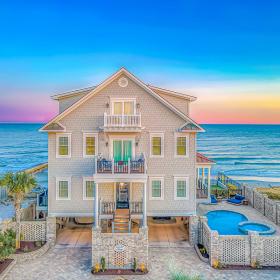 Owning a vacation home is a dream for many, and Myrtle Beach is a top destination for making that dream a reality. With its beautiful coastline, world-class golf courses, and vibrant community, the Grand Strand offers something for everyone. But before you dive in, it’s essential to consider whether buying a second home is right for you.
As a local realtor, I’ve helped many clients purchase vacation homes in Myrtle Beach, and I’ve seen firsthand the joys—and the challenges—that come with it. Let’s break it all down so you can decide if a second home is your next big move.
The Perks of Owning a Vacation Home in Myrtle Beach
1. Your Own Slice of Paradise
Imagine having a home to escape to whenever you want. A client of mine bought a cozy beachfront condo last year, and she loves waking up to the sound of the waves. No more fighting for hotel bookings or juggling check-in times—it’s all hers.
2. An Investment Opportunity
The Grand Strand is a popular vacation destination, meaning your second home can double as a rental property when you’re not using it. Short-term rentals are a great way to offset costs and build equity.
3. Creating Family Memories
A vacation home is more than just a property; it’s a place for family barbecues, game nights, and sunset walks on the beach. One of my favorite stories is from a couple who bought a home near Murrells Inlet—they’ve turned it into a hub for family reunions every summer.
Things to Consider Before Buying
1. Budgeting Beyond the Purchase Price
A vacation home isn’t just about the mortgage. Don’t forget to account for maintenance, property taxes, HOA fees, and insurance (especially flood insurance in this area).
2. How Often Will You Use It?
Be honest about how often you’ll visit. If you plan to use the property for a few weeks a year, renting it out might make financial sense.
3. The Right Location
Myrtle Beach has something for everyone, but each area offers a different vibe. Want peace and quiet? Look toward North Myrtle Beach. Do you prefer a lively atmosphere? The heart of Myrtle Beach might be your best bet.
Tips for Finding the Perfect Vacation Home
1. Work With a Local Realtor
A knowledgeable realtor (like me!) can help you navigate the Myrtle Beach market and find a property that fits your needs and goals.
2. Visit During Different Seasons
Myrtle Beach has a vibrant summer season, but it’s also worth visiting in the off-season to see what life is like year-round.
3. Understand Rental Potential
If you plan to rent your vacation home, research local rental trends, regulations, and demand.
Is It the Right Choice for You?
Buying a vacation home is a big decision but can also be incredibly rewarding. If you’re ready to explore your options, I’d love to help you find the perfect property in Myrtle Beach. Let’s make your dream of owning a second home a reality!
Feel free to reach out, and in the meantime, check out available vacation homes in the Grand Strand area here: Explore Myrtle Beach Properties.
By understanding the benefits, challenges, and financial considerations, you’ll be well on your way to deciding whether buying a vacation home in Myrtle Beach is right for you. Who knows? Your slice of paradise might just be waiting for you.
If you have questions or need guidance, don’t hesitate to contact me—I’m here to help!
hashtag#TonyRobusto hashtag#MyrtleBeach hashtag#Homebuyer hashtag#vacation hashtag#realtyonegroup
Jan. 27, 2025
What Happens After You Accept an Offer?
 Congratulations—you’ve accepted an offer on your home! While this is an exciting milestone, the journey isn’t over yet. The post-offer process has several necessary steps to ensure a smooth path to closing day. Let’s break it down, including due diligence, home inspections, and what “clear to close” means.
1. Authorizing the Purchase Agreement
Once you’ve accepted an offer, the next step is signing the purchase agreement. This document outlines all the terms of the sale, including the price, contingencies, and timeline.
Personal Anecdote: A few months ago, I worked with a seller who was initially overwhelmed by the paperwork. I walked them through each agreement section, and they felt more confident moving forward.
2. The Due Diligence Period
The due diligence period is critical, during which the buyer evaluates the home and ensures everything is in line before finalizing the purchase. This period often includes:
• Home Inspections: The buyer hires a professional home inspector to evaluate the property for any issues, from structural problems to plumbing or electrical concerns.
• Negotiating Repairs: The buyer may request repairs or a price reduction if the inspection reveals issues. Be prepared for negotiations during this phase.
• Research on the Property: The buyer may verify details about zoning, permits, or HOA restrictions.
Pro Tip: Keep your home in its best condition and work with your agent to address repair requests promptly. This helps keep the process moving smoothly.
3. Home Appraisal
The buyer’s lender will arrange a home appraisal to confirm the property’s market value. If the appraisal comes in lower than the purchase price, don’t panic. Your agent can help you navigate options like negotiating with the buyer or revisiting the price.
4. Clearing Contingencies
Many offers include contingencies, such as:
• Financing Contingency: The buyer must secure their loan approval.
• Inspection Contingency: The buyer can back out if the home inspection uncovers major issues.
• Appraisal Contingency: The deal depends on the home appraising for the agreed price.
These contingencies must be resolved before proceeding. Your agent will track progress and ensure deadlines are met.
5. Clear to Close
“Clear to close” is the green light from the buyer’s lender that all requirements have been met and the loan is fully approved. This is a massive milestone in the process! It means:
• The lender has reviewed all documents, including the appraisal, inspection, and buyer’s financials.
• The closing can officially move forward as scheduled.
6. Preparing for Closing
As you approach closing day, there are a few important tasks to handle:
• Transfer Utilities: Set up the transfer or shutoff of utilities to align with the closing date.
#tonyrobusto #realtyonegroup #sellersagent #sellers #sellinghomes #selling #contract #undercontract #MyrtleBeach #Conway
Jan. 26, 2025
Renting vs. Buying: A Real-World Example
 Let’s examine the financial implications of renting versus buying. We’ll compare the cost of buying a $250,000 home using an FHA loan (with 3.5% down) to renting for $1,800 a month.
Scenario 1: Buying a Home
If you buy a $250,000 home with a 3.5% down payment using an FHA loan:
• Down Payment: 3.5% of $250,000 = $8,750.
• Loan Amount: $250,000 - $8,750 = $241,250.
• Mortgage Rate: 7% (fixed for 30 years).
• Monthly Payment (Principal and Interest):
Using a mortgage calculator:
P&I = \frac{Loan \times r \times (1 + r)^n}{(1 + r)^n - 1}
Where:
• r = \frac{7}{100} \div 12 = 0.005833
• n = 30 \times 12 = 360
Monthly payment = $1,606.98 (principal and interest only).
• Taxes and Insurance: Typically 1.25% of the home value per year:
Annual = $250,000 \times 0.0125 = $3,125
Monthly = $260.42.
Total Monthly Payment:
$1,606.98 (P&I) + $260.42 (taxes/insurance) = $1,867.40.
Equity Growth Over 5 Years
1. Mortgage Payoff: After 5 years of payments, you’ll have paid off approximately $18,819 of the principal.
2. Appreciation on Home Value: Let’s assume an average annual home appreciation rate of 3%.
Future Home Value = $250,000 \times (1 + 0.03)^5 = $289,818
Appreciation = $289,818 - $250,000 = $39,818.
Total Equity After 5 Years:
Principal paid off ($18,819) + Appreciation ($39,818) = $58,637.
Scenario 2: Renting a Home
If you rent for $1,800/month:
• Monthly Rent: $1,800.
• Annual Rent: $1,800 × 12 = $21,600.
• Total Rent Paid Over 5 Years:
$21,600 \times 5 = $108,000
Unlike buying, none of this money builds equity—you’re paying it to your landlord.
Renting vs. Buying After 5 Years
• Homeownership (Buying): You’ll have $58,637 in equity after 5 years.
• Renting: You’ll have spent $108,000 on rent with no equity to show for it.
What Does This Mean for You?
This comparison highlights how home buying can build wealth over time, even with a modest 3% annual appreciation. While renting may seem easier upfront, it often comes at the cost of long-term financial growth.
Of course, everyone’s situation is different and renting can still be a great choice for flexibility or short-term living. But if you’re ready to invest in a home in Myrtle Beach and take advantage of the equity-building potential, I’d love to help you explore your options.
Let’s discuss what’s best for your unique situation and long-term goals!
#tonyrobusto #realtyonegroup #firsttimehomebuyer #myrtlebeach #FHA #Conway #rental #buyersagent #buyingahome
Jan. 25, 2025
Understanding Closing Costs as a Buyer
 When buying a home in the Myrtle Beach Grand Strand area, you’re probably focused on finding the perfect property, negotiating a great deal, and securing financing. But one aspect of the buying process that often catches buyers off guard is closing costs.
As your local real estate expert, I want to help you understand what these costs entail, how to prepare for them, and why they’re an essential part of the home-buying journey.
What Are Closing Costs?
Closing costs are the various fees and expenses associated with finalizing your home purchase. They cover everything from lender fees and title insurance to taxes and legal services. Typically, closing costs range from 2% to 5% of the home’s purchase price.
Personal Anecdote:
I once worked with a first-time buyer who was thrilled to secure her dream condo near the beach. But when we started discussing closing costs, she realized she hadn’t budgeted for them. Thankfully, we worked together to find ways to minimize those costs, and she successfully closed on her condo.
What Do Closing Costs Include?
Here’s a breakdown of the common fees you might encounter:
1. Loan Origination Fees
Your lender charges these to process your loan.
2. Home Appraisal and Inspection Fees
These ensure the home’s value and condition align with the purchase price.
3. Title Search and Title Insurance
Protects you and your lender from potential ownership disputes.
4. Attorney Fees
In South Carolina, it’s common to have an attorney involved in the closing process.
5. Prepaid Costs
Includes property taxes, homeowners insurance, and interest payments for the first month of your loan.
6. Recording Fees
Covers the cost of recording the sale with the local government.
How to Prepare for Closing Costs
1. Budget Early
Remember to include closing costs in your budget when calculating how much home you can afford.
2. Review Your Loan Estimate
Your lender will provide a Loan Estimate document early in the process, which outlines your expected closing costs.
3. Negotiate with the Seller
In some cases, sellers may agree to cover a portion of the closing costs, especially in a buyer’s market.
4. Explore Assistance Programs
If you’re a first-time buyer, there may be local or state programs to help with closing costs.
Can Closing Costs Be Reduced?
Yes! Here are a few ways to save on closing costs:
• Shop Around for Services: Compare costs for home inspections, title companies, and insurance.
• Work with an Experienced Realtor: A knowledgeable agent can help you negotiate with sellers or identify cost-saving opportunities.
• Ask for Seller Contributions: Some sellers are willing to cover part of the closing costs to make their home more attractive to buyers.
Final Thoughts
Closing costs might seem overwhelming initially, but with a bit of preparation, they don’t have to derail your home-buying journey. As your trusted real estate advisor, I’ll guide you every step of the way, from understanding the costs to negotiating on your behalf.
If you’re ready to explore homes in Myrtle Beach or want more tips on budgeting for your purchase, I’m just a call or email away. Let’s make your dream of homeownership a reality!
Would you like me to add anything else to personalize it further?
#tonyrobusto #RealtyONEGroup #buyersagent #myrtlebeach #Conway #closingcosts #buyingahome #firsttimehomebuyer
Jan. 24, 2025
Should You Buy a New Build or a Resale Home?
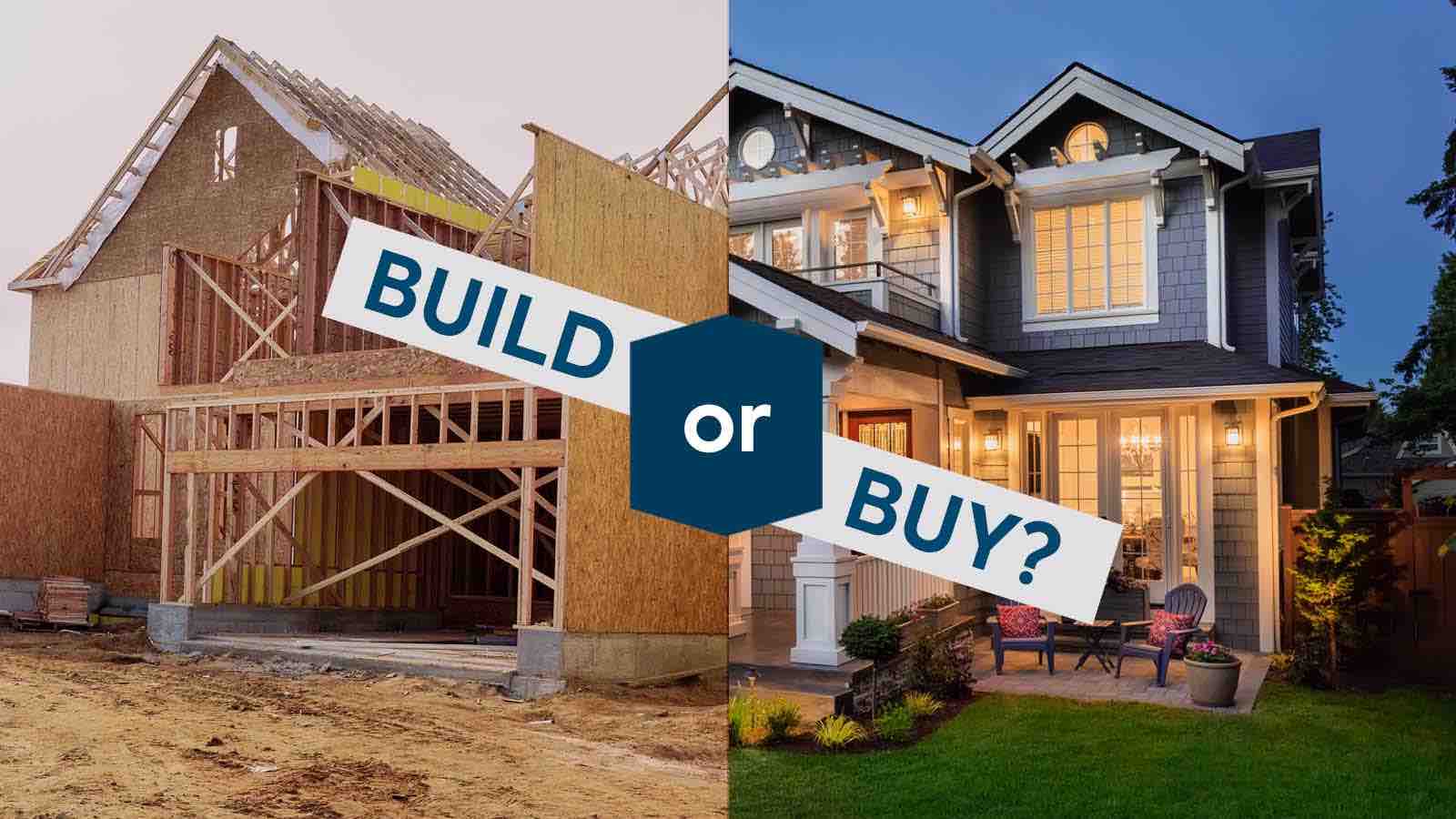 Deciding between a new build and a resale home is one of the most significant choices homebuyers face. Both options have unique advantages and challenges; the right choice depends on your lifestyle, priorities, and budget.
As a Myrtle Beach Grand Strand realtor, I’ve helped buyers navigate this decision countless times. Let me break down the pros and cons of each option to help you decide which is the best fit for you.
The Appeal of New Builds
1. Customization Opportunities
When you buy a new construction home, you often get to choose finishes, fixtures, and layouts to match your style. Want a chef’s kitchen or a modern open floor plan? Builders can make that happen.
Personal Anecdote: I recently worked with a family who chose a new build specifically so they could customize the space to fit their needs, including adding a bonus room for homeschooling.
2. Modern Features and Energy Efficiency
New homes feature the latest technology, energy-efficient appliances, and smart home systems, which can save you money on utilities and give you peace of mind.
3. Low Maintenance Costs
Since everything is brand new, you’re less likely to face costly repairs for years. Plus, many new builds come with builder warranties for added protection.
The Downsides of New Builds
1. Higher Price Tags
New builds are often more expensive upfront than resale homes. You’re paying for the latest features, pristine condition, and customization.
2. Lack of Established Neighborhoods
New developments might lack mature landscaping, established amenities, or a sense of community. You’ll also need to consider ongoing construction in the area.
3. Longer Wait Times
If you’re buying a home that isn’t move-in ready, you’ll have to wait for construction to finish.
The Appeal of Resale Homes
1. Established Neighborhoods
Resale homes are often located in mature neighborhoods with larger yards, mature trees, and a sense of community. You’ll also have access to amenities like schools, parks, and shopping centers already in place.
Personal Anecdote: A client of mine fell in love with a charming resale home in a historic Myrtle Beach neighborhood. The mature landscaping and proximity to the beach sealed the deal for them.
2. Lower Purchase Price
Resale homes are generally less expensive per square foot than new builds, leaving you more room in your budget for upgrades or personalization.
3. Character and History
Many resale homes come with unique architectural details or features you won’t find in new builds.
The Downsides of Resale Homes
1. Maintenance and Repairs
Older homes may require more upkeep, from replacing roofs to updating outdated systems.
2. Limited Customization
Unless you’re ready to take on a renovation project, resale homes might not perfectly align with your vision.
3. Energy Efficiency Gaps
Resale homes might not have the latest energy-efficient features, which could lead to higher utility costs.
Which Is Right for You?
Choosing between a new build and a resale home comes down to your priorities:
• If you want modern features, customization, and low maintenance, a new build might be your best bet.
• If you prefer established neighborhoods, character, and affordability, a resale home could be the right choice.
Pro Tip: Take the time to weigh your options, and don’t be afraid to explore both types of homes during your search.
Final Thoughts
Whether you’re leaning toward a brand-new build or a charming resale home, the Myrtle Beach Grand Strand has plenty of options to suit your needs. As your local real estate expert, I’m here to guide you through the process and help you make the best decision for your lifestyle and budget.