The Ultimate Guide to Relocating to Myrtle Beach: What You Need to Know
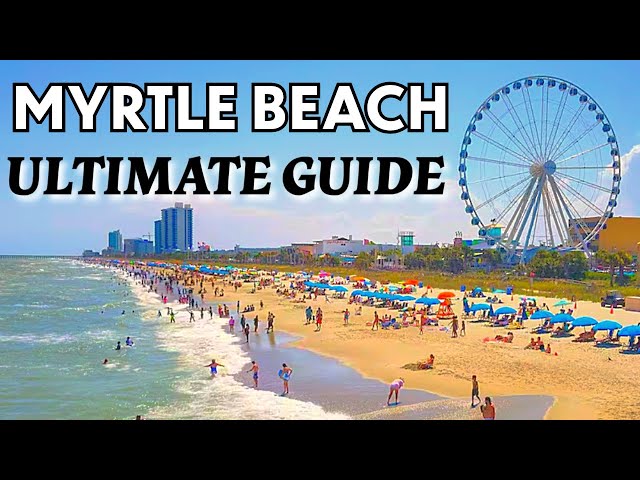 Relocating to Myrtle Beach, SC, is an exciting journey filled with opportunities for a vibrant lifestyle, coastal charm, and warm southern hospitality. As you plan your move to the Grand Strand, this guide will walk you through everything you need to know, from neighborhoods and schools to recreation and local culture.
1. Overview of Myrtle Beach and the Grand Strand
Myrtle Beach is the heart of the Grand Strand, a 60-mile stretch of coastline offering diverse communities, pristine beaches, and a laid-back lifestyle. Known for its mild weather, family-friendly atmosphere, and affordability, it’s a top destination for retirees, families, and professionals.
• Population: Approximately 37,000 in Myrtle Beach proper; the Grand Strand hosts hundreds of thousands more.
• Climate: Subtropical, with warm summers and mild winters.
2. Neighborhoods: Finding Your Perfect Fit
The Grand Strand features a variety of neighborhoods to suit every lifestyle:
• Families:
• Carolina Forest – Known for excellent schools, parks, and family-oriented amenities.
• The Farm at Carolina Forest – A sought-after community with a mix of homes, walking trails, and recreational facilities.
• Retirees:
• Murrells Inlet – The “Seafood Capital of South Carolina” with waterfront dining and a quiet, relaxed atmosphere.
• Barefoot Resort in North Myrtle Beach – A resort-style community with golf courses and luxury amenities.
• Professionals and Singles:
• Market Common – A trendy area offering shopping, dining, and modern housing options.
• Luxury Buyers:
• Grande Dunes – Waterfront properties and upscale living with access to a private marina and golf courses.
3. Schools and Education
Myrtle Beach offers a mix of public, private, and charter schools, as well as higher education options:
• Top Public Schools:
• Carolina Forest High School
• Myrtle Beach High School
• Private Schools:
• Christian Academy of Myrtle Beach
• St. James Catholic School
• Colleges and Universities:
• Coastal Carolina University
• Horry-Georgetown Technical College
4. Lifestyle and Culture
Myrtle Beach blends coastal living with southern charm:
• Cuisine: Fresh seafood, southern comfort food, and a growing number of international dining options.
• Festivals: Events like the Carolina Country Music Fest, Myrtle Beach Bike Week, and ShrimpFest.
• Local Charm: A mix of laid-back beach vibes and lively nightlife along Ocean Boulevard.
5. Amenities and Recreation
Myrtle Beach offers world-class amenities for relaxation, recreation, and entertainment:
• Golf: Over 80 championship golf courses, earning the title “Golf Capital of the World.”
• Shopping: Tanger Outlets, Coastal Grand Mall, and boutique shops at Market Common.
• Recreation:
• Beaches: 60 miles of coastline with public access points.
• Outdoor Fun: Brookgreen Gardens, Myrtle Beach State Park, and the Intracoastal Waterway for boating.
• Family Attractions: Broadway at the Beach, Ripley’s Aquarium, and SkyWheel.
6. Cost of Living and Housing Market
Myrtle Beach offers an affordable cost of living compared to many coastal areas:
• Median Home Price (2025): Around $300,000, depending on the neighborhood.
• Property Taxes: Low compared to national averages.
7. Transportation and Accessibility
• Highways: Easy access via Highways 501, 17, and 31.
• Airport: Myrtle Beach International Airport (MYR) connects you to major U.S. cities.
• Public Transport: Limited, so owning a car is recommended.
8. Need-to-Knows for New Residents
• Utilities and Services:
• Electricity: Santee Cooper or Horry Electric Cooperative.
• Water: Myrtle Beach Public Works.
• Hurricane Preparedness: Myrtle Beach is in a hurricane-prone area. Be prepared with an emergency plan.
• Local Laws:
• Short-term rentals are regulated in many areas.
• Some beaches have leash laws for dogs.
9. Why Work With a Local Realtor?
Relocating is more than just finding a home—it’s about choosing a community that matches your lifestyle. As a seasoned real estate professional in Myrtle Beach with 48 years of experience, I specialize in making your move seamless and stress-free. From identifying the perfect neighborhood to navigating the local market, I’m here to guide you every step of the way.
Final Thoughts
Myrtle Beach is more than just a vacation destination—it’s a place to call home. Whether you’re drawn by the beaches, the lifestyle, or the affordability, relocating here opens the door to a new chapter full of possibilities.
Ready to make the move? Let’s find the perfect home for you in Myrtle Beach. Contact me today, and let’s get started on your journey to coastal living!
Jan. 23, 2025
10 Mistakes First-Time Homebuyers Make and How to Avoid Them
 Buying your first home is an exciting milestone, but it's also a process full of potential pitfalls. As a professional realtor in the Myrtle Beach Grand Strand, I've seen first-time buyers make common mistakes that cost time, money, and peace of mind. The good news? With the right guidance, you can avoid these traps and enjoy a smooth path to homeownership.
Let's dive into the top mistakes first-time buyers make and how to sidestep them.
1. Skipping Pre-Approval
One of the biggest mistakes is not getting pre-approved for a mortgage before house hunting. Pre-approval gives you a clear budget and shows sellers you're serious.
Personal Anecdote: I once worked with a couple who fell in love with a home but hadn't been pre-approved. By the time they got their financing in order, the house was under contract with another buyer.
2. Overlooking Additional Costs
First-time buyers often focus on the purchase price but forget about closing costs, HOA fees, property taxes, and maintenance expenses.
Tip: Budget an additional 2-5% of the home's price for closing costs and set aside funds for ongoing expenses.
3. Not Researching the Neighborhood
Falling for a house without considering the neighborhood is a common trap. Factors like schools, amenities, and commute times are just as important as the home itself.
Pro Tip: Visit the neighborhood at different times of the day to get a feel for traffic, noise levels, and activity.
4. Letting Emotions Drive Decisions
It's easy to get attached to a home that "feels right," but don't let emotions overshadow practical considerations like budget and condition.
Advice: Make a list of your must-haves and stick to it. A dream home isn't worth the financial stress.
5. Ignoring the Home Inspection
Skipping or rushing through a home inspection can lead to costly surprises later. A professional inspection can uncover issues you might not notice, like roof damage or plumbing problems.
Personal Anecdote: A buyer I worked with hesitated about paying for an inspection but later found out the HVAC system needed replacing. Thanks to the inspection, they negotiated repairs before closing.
6. Focusing Only on the Short-Term
Think about your long-term needs. Will the home suit your lifestyle in five or ten years? Consider factors like family growth, job changes, and resale value.
7. Not Comparing Mortgage Offers
Many buyers stick with the first lender they talk to, but shopping around can save thousands over the life of your loan.
Pro Tip: Compare multiple lenders' interest rates, loan terms, and closing costs.
8. Making Big Purchases Before Closing
Avoid opening new credit cards, financing furniture, or making other large purchases before closing. These can affect your credit score and loan approval.
9. Waiting Too Long to Make an Offer
In competitive markets like Myrtle Beach, waiting too long can mean losing out to another buyer.
Advice: If you love a home and it checks all the boxes, make a strong offer quickly.
10. Not Working with a Local Realtor
A local realtor knows the market, neighborhoods, and nuances of the home-buying process. Trying to navigate it alone can lead to mistakes.
Personal Note: I pride myself on guiding first-time buyers through every step, answering questions, and making the process as stress-free as possible.
Final Thoughts
Buying your first home in the Myrtle Beach Grand Strand doesn't have to be overwhelming. By avoiding these common mistakes and working with an experienced realtor, you can enjoy a smooth, exciting journey to homeownership.
Ready to take the next step? Contact me today—I'd love to help you find the perfect home!
Let me know if you'd like to refine this further!
#tonyrobusto #buyersagent #RealtyONEGroup #homebuyingtips #myrtlebeach #Conway
Jan. 22, 2025
How to Choose the Right Neighborhood in the Grand Strand
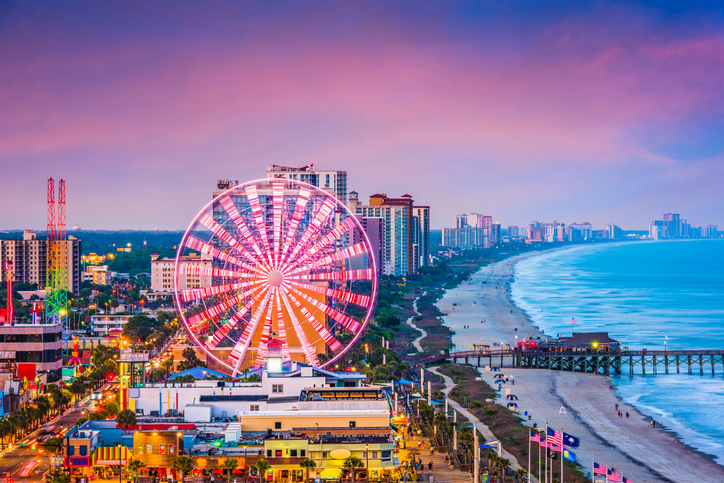 Choosing the right neighborhood is just as important as choosing the right home. As a professional realtor in the Myrtle Beach Grand Strand, I've helped countless families find neighborhoods that fit their lifestyles, priorities, and budgets. Whether you're moving to be closer to work, the beach, or schools, the Grand Strand offers something for everyone.
Here's how to narrow your options and find the perfect neighborhood for your next home.
1. Prioritize What Matters Most
Start by listing your must-haves. Is being close to the beach your top priority? Are excellent schools non-negotiable? Do you need quick access to major highways or shopping centers?
Personal Tip: One client of mine was dead set on oceanfront living but realized after touring several homes that being closer to their kids' school was more practical. We found a home in Carolina Forest that offered a short commute and a community pool—a win-win!
2. Research Schools
If you have kids or plan to have them in the future, researching schools is crucial. The Grand Strand boasts highly rated public and private schools. Websites like GreatSchools.org or district websites can give you valuable insight.
3. Explore Amenities
The Grand Strand is known for its incredible amenities, from golf courses to waterfront dining. Neighborhoods like Market Common offer a walkable lifestyle with boutique shops, parks, and trendy restaurants, while North Myrtle Beach has a quieter, family-friendly vibe.
Pro Tip: Drive around the area at different times of the day to get a feel for the activity level and available amenities.
4. Assess Commute Times
How far will you drive to work, school, or the grocery store? Even in a beautiful area like Myrtle Beach, a long commute can impact your quality of life. Use tools like Google Maps to calculate travel times during peak hours.
5. HOA
Many Grand Strand neighborhoods, like The Farm at Carolina Forest, have homeowners associations (HOAs). While they help maintain community standards, they come with rules and fees. Make sure you're comfortable with the HOA policies before committing.
6. Consider Safety
Safety is always a concern when choosing a neighborhood. Research crime statistics online or ask your realtor for insights. Myrtle Beach has many safe, family-oriented neighborhoods, but it's always worth checking the numbers.
7. Visit During Different Seasons
The Grand Strand transforms with the seasons. While summers bring tourism and activity, winters are quieter. Visit potential neighborhoods during the off-season to get a full picture of what life will be like year-round.
Personal Anecdote: A client looking for a second home loved the hustle and bustle of summer but was thrilled to find that their new neighborhood in Murrells Inlet had a peaceful vibe during the winter months.
8. Think About Long-Term Resale Value
Even if you're not planning to move anytime soon, it's smart to choose a neighborhood with substantial resale value. Areas near schools, beaches, and thriving commercial districts tend to hold their value well.
Final Thoughts
Choosing the right neighborhood in the Myrtle Beach Grand Strand is about aligning your priorities with each community's offerings. Whether you're looking for a bustling hub like Market Common or a laid-back retreat in Murrells Inlet, there's a perfect fit waiting for you.
If you're ready to start exploring neighborhoods, let's connect. I'd love to share my local knowledge and help you find the perfect spot to call home!
Let me know if you'd like help adding more personalized details!
#tonyrobusto #RealtyONEGroup #Relocation #myrtlebeach #buyersagent #sellersagent #grandstrand
Jan. 21, 2025
10 Things to Look for During a Home Tour in Myrtle Beach
 Touring homes is one of the most exciting parts of the home-buying journey. It’s easy to get caught up imagining your furniture in the living room or your family gathering around the kitchen island. However, as a seasoned realtor in Myrtle Beach, I always encourage my clients to dig a little deeper during home tours. It’s not just about falling in love with the aesthetics—it’s about ensuring the home is in good shape and worth your investment.
Here are 10 things you should always look for during a home tour to help you avoid surprises later:
1. Check the Roof
The roof is one of the most expensive parts of a home to repair or replace. During the tour, look for visible sagging, missing shingles, or water stains on the ceiling. Once, a client of mine fell in love with a home until we noticed a huge roof patch job. A quick call to a home inspector saved them thousands.
2. Inspect the Foundation
Cracks in the foundation or uneven flooring can signal structural issues. Pay attention to doors or windows that stick—this can indicate settling or shifting.
3. Test the Plumbing
Turn on faucets to check for water pressure and listen for unusual noises. Don’t be shy—flush the toilets, too! One family I worked with found a dream home only to discover plumbing issues that would have cost $10,000 to fix.
4. Look for Water Damage
Look for stains on ceilings, walls, or the basement. Water damage can mean roof leaks, plumbing issues, or even flooding. The salty air in Myrtle Beach can accelerate wear and tear, which is particularly important in our area.
5. Pay Attention to Smells
Odd odors—like musty smells or strong air fresheners—can be a red flag. A musty smell might indicate mold, while heavy air fresheners could mean the seller is masking another issue.
6. Examine the HVAC System
Air conditioning is a must in Myrtle Beach! Ask about the age of the HVAC system and when it was last serviced. An older unit might work now but could cost you down the road.
7. Test Windows and Doors
Check that windows open and close easily and doors don’t stick. Faulty windows could increase energy bills, especially in hot summers.
8. Look at the Electrical System
Inspect outlets, light switches, and the electrical panel. It might be time to upgrade if you see exposed wires or outdated systems.
9. Inspect Cabinets and Closets
Open kitchen cabinets and closets to look for signs of pests or water damage. I once toured a home where I found mouse droppings in the pantry—something the seller conveniently forgot to disclose.
10. Ask About the Neighborhood
Finally, step outside and take a look at the surroundings. Are the neighboring homes well-kept? Is there noise from nearby roads? Living in Myrtle Beach means balancing peace and proximity to amenities—make sure the neighborhood feels right for you.
Final Thoughts
As a professional realtor in Myrtle Beach, I want you to feel confident and informed during your home-buying journey. The Grand Strand area has so much to offer, and with a bit of attention to detail during your tours, you can find a home that checks all your boxes.
If you’re ready to start your search, I’d happily guide you through the process. Let’s find your dream home together—reach out to me today!
#tonyrobusto #RealtyONEGroup #HomeBuyingTips #homebuying #myrtlebeach #AvoidMistakes
Jan. 20, 2025
The Ultimate Guide to Selling Your Myrtle Beach Home
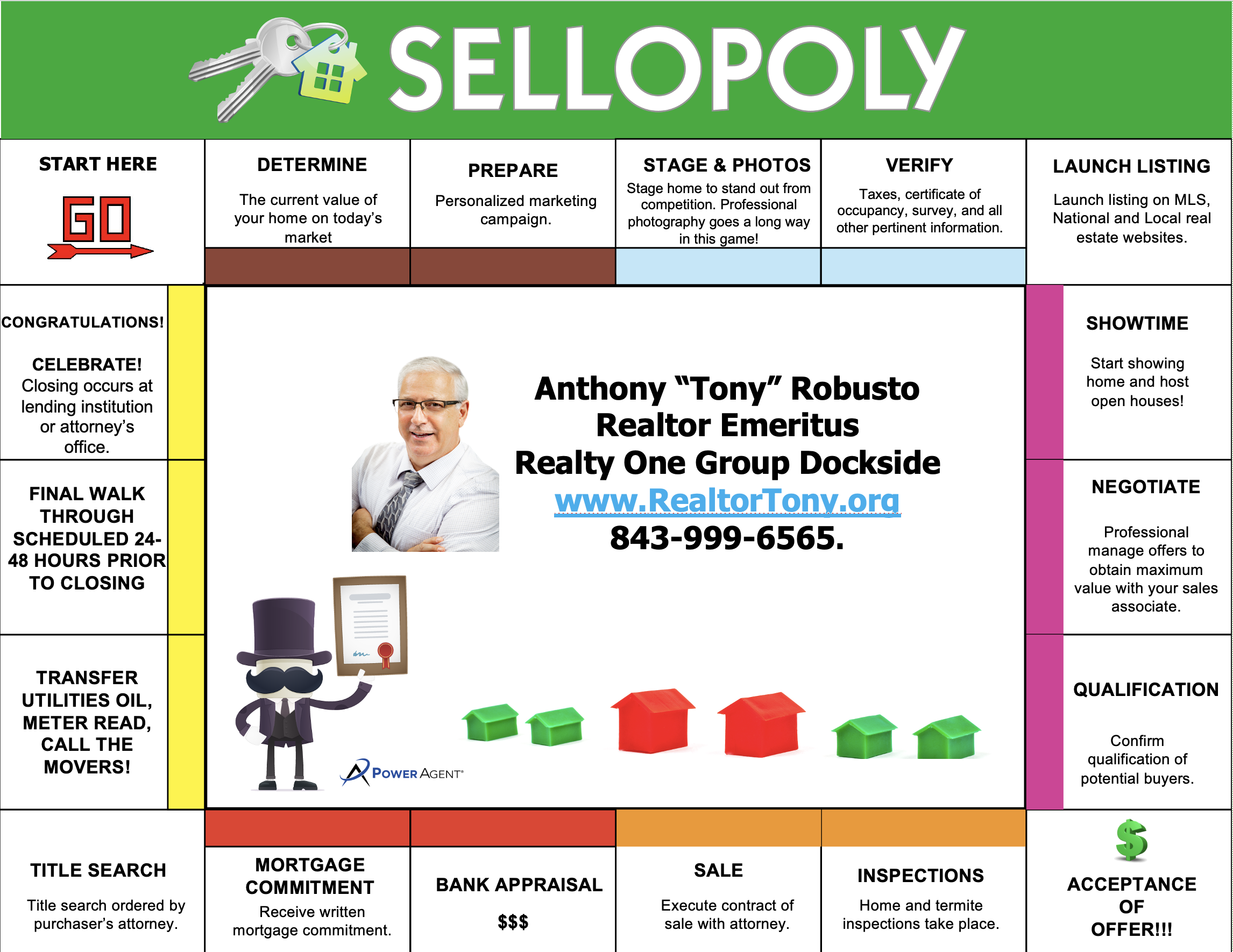 Selling your home is an exciting journey, and as your trusted Myrtle Beach Realtor, I’m here to guide you through every step of the process. Over my years of experience, I’ve found that most home sales follow a similar roadmap—what I like to call the 18-Step Selling Process. Think of it as a real-life Monopoly game, with each step moving you closer to the ultimate goal: “Congratulations, your home is sold!”
Here’s a breakdown of what you can expect:
Step 1: Determine Your Home’s Value in Today’s Market
Before you list, knowing what your home is worth is essential. I’ll provide a comprehensive market analysis to help you set a competitive price that attracts buyers while maximizing your return.
Personal Note: I recently helped a family in Carolina Forest determine their home’s value. After reviewing comps, we set a price that attracted multiple offers within a week—one of which was well above asking!
Step 2: Prepare a Personalized Marketing Campaign
Your home deserves the best exposure. I create customized marketing plans, including online advertising, social media promotion, and local outreach, to ensure your property gets noticed.
Step 3: Stage Your Home for Success
First impressions matter! Staging helps buyers envision themselves living in your home. Whether it’s rearranging furniture or adding a few decorative touches, I’ll guide you on how to make your home shine.
Step 4: Professional Photography
Quality photos are a must. I work with skilled photographers to capture your home at its best, ensuring every room looks inviting and spacious.
Step 5: Verify All Listing Information
Accuracy is key when listing your home. I’ll double-check all details to ensure potential buyers have the correct information.
Step 6: Launch Your Listing
Your home will be listed on the MLS and syndicated to major real estate websites like Zillow, Realtor.com, and Redfin.
Step 7: Schedule Showings and Open Houses
Showtime! I’ll coordinate showings and host open houses (if you’re comfortable with them) to maximize visibility.
Step 8: Manage and Negotiate Offers
When offers start rolling in, I’ll help you evaluate each and negotiate terms to ensure you get the best deal possible.
Personal Note: One client in Murrells Inlet was thrilled when we negotiated a higher price and a rent-back agreement that allowed them to stay in the home while they finalized their move.
Steps 9-18: Closing the Deal
1. Verify Buyer Qualifications: Confirm pre-approval or proof of funds.
2. Accept the Offer: The buyer signs the contract once terms are agreed upon.
3. Schedule a Home Inspection: A professional inspector evaluates the property.
4. Attorney Review: Contracts are executed with legal oversight.
5. Bank Appraisal: The lender ensures the home’s value aligns with the mortgage amount.
6. Mortgage Commitment: The buyer secures financing.
7. Title Research: Attorneys check for clear ownership and resolve any issues.
8. Utility Transfers: Prepare to transfer utilities to the new owner.
9. Final Walk-Through: Buyers inspect the home 24-48 hours before closing.
10. Closing Day: Celebrate! You’ll sign the final documents and hand over the keys.
Celebrate Your Success
The process may seem daunting, but I’ll be by your side to ensure a smooth and stress-free experience. Selling your home is a big deal, and I love helping my clients achieve their goals.
#tonyrobusto #RealtyONEGroup #sellersagent #sellersguide #sellers #SellerTips #myrtlebeach
Jan. 19, 2025
Cash Offers vs. Listing Strategies: The Smart Way to Sell Your Myrtle Beach Home
 When selling your Myrtle Beach home, you have great options to consider. Whether you’re looking for the convenience of a cash offer or prefer to list your property on the market, the right choice depends on your situation.
Did you know you can get instant home value and cash offers with just one click? Click here to get started now!
The Benefits of Cash Offers
Cash offers can make selling your home faster and easier. Here are some key advantages:
• No Repairs: You can sell your home as-is.
• Quick Closings: Cash buyers often close in days, not weeks.
• Flexibility: Some cash offers include rent-back options, allowing you to stay in your home after closing.
I recently worked with a client who was handling an estate property. They needed to sell quickly without the hassle of repairs. They received multiple competitive offers using my cash offer tool and closed in less than 10 days.
How to Get Your Cash Offer
1. Get Your Instant Home Value Here
Use our simple tool to estimate your home’s value and request cash offers.
2. Compare Multiple Offers
We’ll gather offers from trusted local and national buyers so you can compare options side by side.
3. Pick the Best Fit
You can choose the offer that best suits your needs, whether you prioritize speed, flexibility, or maximum value.
What About Listing Your Home?
Listing your home is a great option if you have time and want to maximize profit. Your property can attract multiple buyers with a strategic pricing plan, professional photos, and targeted marketing.
One of my recent clients debated between a cash offer and listing their home. They decided to list, and we sold it for 12% above the asking price in just a few weeks with the right approach.
Which Option Works Best for You?
Your reasons for selling are unique—an urgent move, a family change, or just exploring the market. Let’s find the solution that fits your needs.
Ready to see what your home is worth? Click here to get your instant home value and cash offers today!
Explore Your Options with Ease
Selling your home doesn’t have to be complicated. Let me help you navigate the process and find the best solution for your goals.
Reach out today to start your journey!
#tonyrobusto #RealtyONEGroup #webuyhouses #myrtlebeach #homesellers #sellersagent
Jan. 18, 2025
Your Ultimate Guide to Home Inspections: Avoid Costly Mistakes
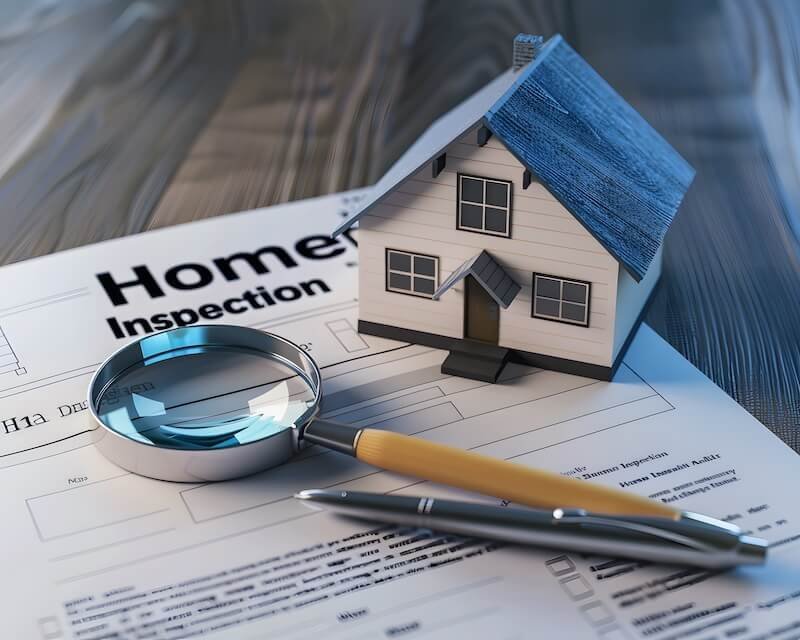 Buying a home is one of the most significant investments you'll ever make, and a home inspection is a critical step in the process. Whether buying in Myrtle Beach or beyond, here's everything you need to know to navigate this step confidently.
What Is a Home Inspection?
A home inspection is a professional assessment of a property's condition. It evaluates the home's systems, structure, and features to identify potential issues before purchase. Think of it as a health check for the home you're considering.
Are Home Inspections Required?
While not legally required, most lenders insist on home inspections as part of the due diligence process. Even for cash buyers, an inspection is a wise investment to uncover hidden problems.
Who Performs the Inspection?
Licensed or certified home inspectors conduct these assessments. Choose an experienced inspector familiar with homes in your area—local knowledge can make a big difference. Your real estate agent can recommend trusted professionals.
Who Pays for the Inspection?
The buyer typically pays for the home inspection, which serves their interests. Costs vary but usually range between $300 and $600, depending on the size and age of the home.
How Long Does It Take?
A standard home inspection typically takes 2-4 hours, depending on the property's size and complexity. You can attend the inspection to ask questions and see any issues firsthand.
Common Issues Found During Inspections
Some frequently discovered problems include:
• Roof damage or leaks
• Plumbing or electrical issues
• Foundation cracks
• HVAC system problems
• Mold or water damage
These issues don't necessarily mean you should walk away. Instead, they can be used as negotiation tools with the seller.
Due Diligence and Avoiding Costly Mistakes
The inspection period is part of your due diligence process. Use this time to:
1. Review the inspection report thoroughly.
2. Seek estimates for necessary repairs.
3. Negotiate with the seller for repairs or a price reduction.
4. Ensure the home meets your expectations before finalizing the purchase.
Why Cash Buyers Should Still Get Inspections
Even if you're paying cash, an inspection is essential. Avoiding this step could lead to expensive surprises later, whether you're buying for your family, an estate, or a fast relocation.
A home inspection can give you peace of mind and avoid unexpected costs. With the proper preparation and guidance, you can move forward confidently, knowing your investment is sound.
For more personalized advice or help navigating the Myrtle Beach market, reach out today!
#homebuyers #firsttimehomebuyer #tonyrobusto #RealtyONEGroup #myrtlebeach #buyersagent
Jan. 17, 2025
Understanding Home Appraisals: What Buyers Need to Know
 If you’re financing your home purchase, a home appraisal is likely to be one of the key steps before closing. Here’s a breakdown of what you should know about the appraisal process.
What Is an Appraisal?
An appraisal is an unbiased professional opinion of a home’s market value conducted by a licensed or certified residential appraiser. The purpose is to help lenders ensure the purchase price aligns with the property’s value. Appraisers are independent third parties the lender hires to provide a fair and accurate valuation. They do not represent the buyer or seller. Appraisers who are also REALTORS® adhere to both professional standards and the REALTOR® Code of Ethics, adding an extra layer of trust to the process.
Do You Need an Appraisal?
If you use a mortgage to purchase your home, your lender will almost always require an appraisal. This helps establish the loan-to-value (LTV) ratio—the percentage of the home’s price that you’re borrowing. Generally, lenders aim for an LTV ratio of 80% or lower to minimize risk. If you’re buying with cash, an appraisal isn’t required, but it can still provide peace of mind, ensuring you’re not overpaying for the property.
What Does an Appraiser Look For?
Appraisers evaluate the property by examining the following:
• Recent comparable sales (or “comps”) from local market databases like the Multiple Listing Service (MLS).
• The home’s condition, size, and location.
• Amenities, upgrades, and recent renovations.
All findings must be supported by evidence and conducted without bias.
Are Appraisals Conducted In Person?
Many appraisals include an in-person visit, but there are alternatives. Hybrid or desktop appraisals involve remote data collection and insights from trusted third parties. Your lender will determine the appropriate appraisal type for your transaction.
Can Your Agent Talk to the Appraiser?
Your agent can reach out to the appraiser to provide relevant property information. However, it’s unethical and illegal to attempt to influence the valuation. Appraisers are bound to confidentiality and cannot share information outside their professional scope.
What Happens If the Appraised Value Differs From the Purchase Price?
If the appraisal is lower than the purchase price, it could affect your mortgage approval. Including an appraisal contingency in your purchase agreement allows for renegotiation or cancellation if the appraised value doesn’t align with the agreed price. This step can protect both buyers and sellers from potential financial surprises.
Will You Receive a Copy of the Appraisal?
Yes, the Federal Equal Credit Opportunity Act ensures that your lender provides you with a free copy of the appraisal report. However, this does not apply if an appraisal waiver is granted.
What If You Disagree With the Appraisal?
If you believe the appraiser missed key details or comparables, you can request a reconsideration of value (ROV). Your lender will guide you through the process, and your agent can help you gather supporting information. If you suspect bias or inaccuracies, you can file a complaint with state or federal regulators through the Appraisal Complaint National Hotline.
Final Thoughts
Home appraisals are a critical step in ensuring a fair and smooth transaction.
While processes can vary by state and local law, your real estate professional can guide you every step of the way.
#tonyrobusto #myrtlebeach #homebuyers #homesellers #appraisal #buyersagent #SellersAgent
Jan. 16, 2025
Flooding is the most common and costly natural disaster in the United States.
 Even a few inches of water can cause devastating damage. A licensed insurance agent can advise you on purchasing the right flood insurance to protect your assets. Here's what you need to know:
Does my homeowner's insurance cover flood damage?
Most homeowners insurance policies do not cover flood damage. While federal disaster assistance may be available to you when a flood occurs, it may be limited and is not guaranteed. The best way to protect your assets is to purchase flood insurance.
What is flood insurance?
Flood insurance covers property damage caused by flooding, including incidents such as heavy or prolonged rain, melting snow, coastal storm surges, blocked storm drainage systems, or levee dam failure.
Is flood insurance required?
Suppose you own a home or business in a "high-risk" flood area—any area with a 1% or higher chance of experiencing a flood each year, as defined by the Federal Emergency Management Agency ("FEMA")—and have a federally backed mortgage. In that case, your lender will require you to have flood insurance. However, even where your lender does not require flood insurance, it does not mean your home is not at risk. According to FEMA, wherever it rains, it can flood. Consult an insurance agent for guidance on your specific circumstances.
How much does flood insurance cost?
According to FEMA, the average cost of flood insurance is about $1,000 per year. However, the cost can vary widely depending on many property-specific factors and each property's flood risk. Your premium is also influenced by your deductible or the portion of a claim you must pay out of pocket.
What are my options for purchasing flood insurance?
Depending on where you live, you have two options:
- The National Flood Insurance Program ("NFIP" ): The NFIP, managed by FEMA, offers flood insurance to property owners, renters, and businesses in participating communities. In return for access to flood insurance, participating communities agree to adopt and implement local floodplain management regulations that help protect lives and properties from flooding. For residential dwellings, NFIP policies offer coverage up to $250,000 for building repairs and up to $100,000 for personal property; non-residential properties are covered up to $500,000 for building repairs and $500,000 for damaged contents. Check your community's status on FEMA's website to determine if you are eligible. You can also get an NFIP rate quote online here.
- Private Insurance: Private flood insurance is provided by private companies rather than the federal government. Private insurers may charge comparable rates but offer more coverage than the NFIP, such as higher protection limits, policy enhancements, and payments for temporary living expenses if you are displaced. You can also supplement an NFIP policy with private insurance to extend your coverage further.
How long does it take for my policy to take effect?
Typically, there is a 30-day waiting period from the date of purchase until an NFIP policy goes into effect. There are exceptions if you purchase flood insurance with a mortgage loan. Private flood insurance can vary.
Practices may vary based on state and local law. Consult your real estate professional and/or an attorney for details about state law where you are purchasing a home.
Jan. 16, 2025
The Power of High-Quality Photos: Selling Your Myrtle Beach Home
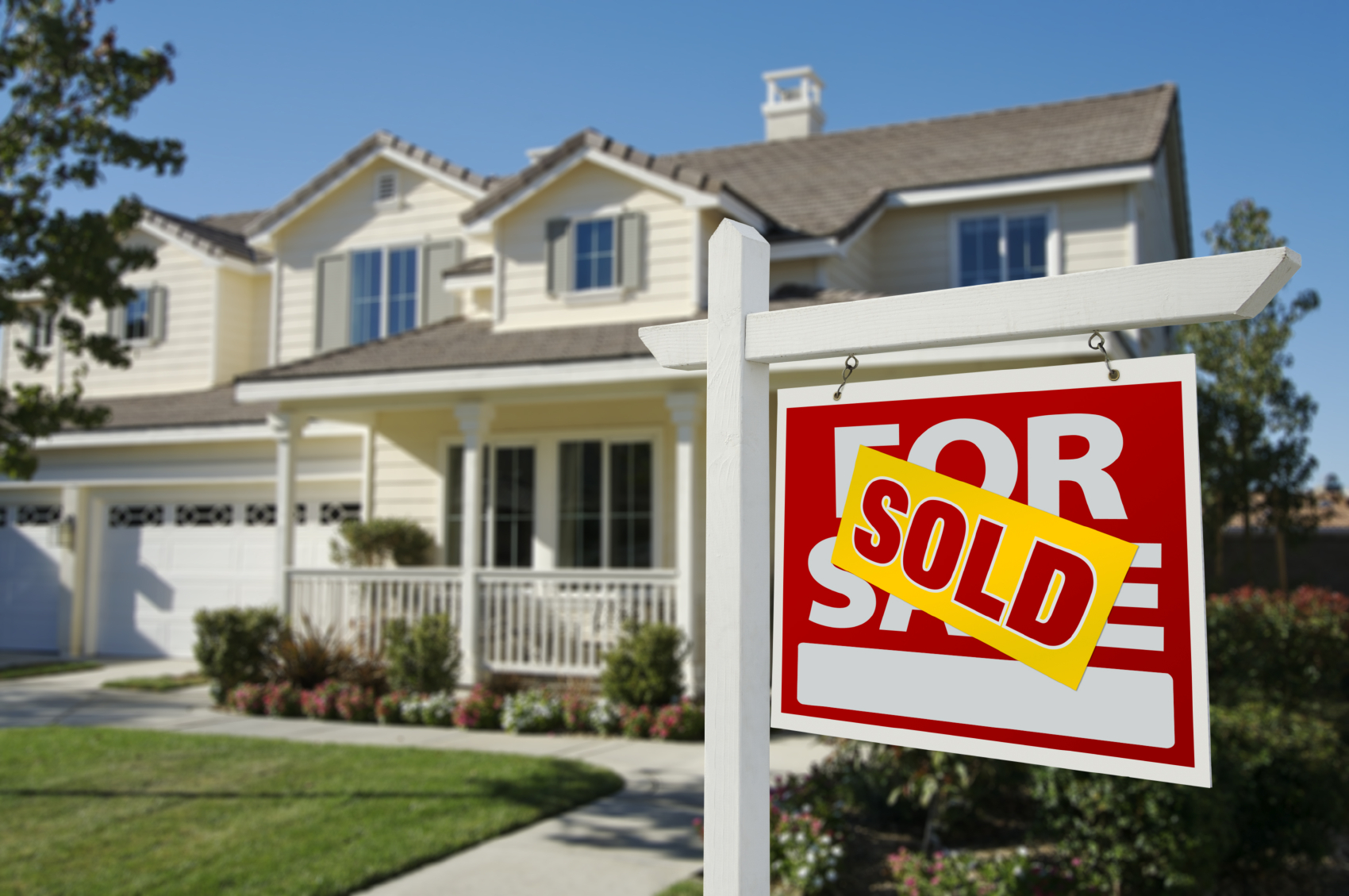 When it comes to selling your home, first impressions matter—and in today's digital age, that first impression is often made online. High-quality photos can distinguish between a buyer clicking on your listing or scrolling right past it.
Let me tell you a little story about why this matters so much.
From "Just Okay" to "Must-See"
I listed a beautiful property with stunning lake views here in the Myrtle Beach area a few months ago. The owner was eager to get the home on the market and sent me photos they'd taken with their smartphone. While the photos were fine, they didn't capture the home's beauty or surroundings.
I knew we could improve, so I hired a professional photographer. The new photos highlighted the shimmering lake, the spacious rooms, and the natural light streaming through the windows. When we updated the listing with these images, the response was incredible. The number of inquiries and showings doubled practically overnight.
The home sold quickly, and the owner even commented on how well the photos showcased the property's unique features.
Why High-Quality Photos Matter
Professional photos aren't just about making your home look good—they tell a story. Buyers want to feel connected to a property before they even set foot inside. Here's why investing in great photos is so important:
1. First Impressions Count
Your listing photos are often the first thing buyers see. Buyers may move on to the next listing if they're blurry, poorly lit, or don't showcase the home's best features.
2. Highlight Unique Features
Professional photos can make these standout features shine, whether it's a stunning view, custom finishes, or a beautifully landscaped yard.
3. Increased Online Views
Homes with professional photos get more clicks, translating to more interest and potential offers.
4. Set Your Home Apart
High-quality photos in a competitive market like Myrtle Beach can help your home stand out from similar properties.
What Goes Into Great Listing Photos?
Professional photographers know how to make a home look its best. Here are some key elements they focus on:
• Lighting: Natural light is key to creating bright, inviting photos.
• Angles: A skilled photographer knows how to find the perfect angle to make rooms look spacious and well-proportioned.
• Staging: Simple touches like fresh flowers, tidy spaces, and tasteful decor can make a big difference.
• Editing: Professional editing can enhance colors, correct distortions, and make photos pop without looking unrealistic.
How I Can Help
Professional photography is always part of the package when you list your home with me. I understand that selling a home is about more than just putting it on the market—it's about ensuring it gets the attention it deserves.
As a Myrtle Beach realtor with 48 years of experience, I know what buyers are looking for and how to showcase your home in its best light. From stunning photography to a compelling listing description, I'll ensure your home stands out.
Ready to Sell Your Home?
Let's talk about whether you're considering selling your home in the Myrtle Beach Grand Strand area. Together, we'll create a strategy to sell your home quickly and for the best price—starting with photos that make buyers fall in love at first sight.
Reach out today, and let's get started!
#sellinghomes #tonyrobusto #RealtyONEGroup #myrtlebeach #topagent #Conway
#tonyrobusto #realtyonegroup #myrtlebeach #sellinghomes #selling #Conway #SellerTips #homephotography
Jan. 15, 2025
Understanding the Market: Selling Your Home in Myrtle Beach Grand Strand
 The Myrtle Beach Grand Strand real estate market is as dynamic as the ocean waves that define our coastline. With its stunning beaches, world-class golf courses, and lively yet laid-back community, it’s no wonder many people are drawn to this area. But whether you’re buying or selling, understanding the market is essential for making wise decisions.
As someone who has been in the real estate business for 48 years, I’ve seen firsthand how knowing the market can make all the difference. For sellers, it’s about timing, positioning, and understanding what buyers are looking for. Let me share a little story to illustrate this point.
When Market Knowledge Pays Off
Last summer, I worked with a client who owned a beautiful beachfront property. They loved the home but felt it might be the right time to downsize. However, they hesitated about listing it, worried they wouldn’t get their asking price.
I delved into the market data and found that it was a seller’s market—low inventory, high demand, and buyers willing to pay a premium for properties near the beach. After I showed them the data and explained the trends, they decided to list.
The result? Within a week, they had multiple offers, most above the asking price. The property sold quickly and for a price that exceeded their expectations. That’s the power of understanding the market!
What Makes the Myrtle Beach Market Unique?
The Grand Strand isn’t your average real estate market. It attracts a variety of buyers, including:
• Retirees looking for a peaceful place to enjoy their golden years.
• Families are drawn to excellent schools and safe neighborhoods.
• Young professionals who want a mix of urban amenities and a coastal lifestyle.
Because of this diversity, market trends in this region can be influenced by everything from interest rates to seasonal tourism patterns.
Key Factors to Watch
If you’re thinking about selling your home in Myrtle Beach, here are some factors to keep in mind:
1. Inventory Levels
Is it a buyer’s or seller’s market? Low inventory typically means higher prices for sellers, while higher inventory may require more strategic pricing.
2. Buyer Demographics
Who’s your ideal buyer? A retiree might prioritize a golf course view, while a family may want school proximity.
3. Seasonal Trends
Spring and summer often see the most activity here, but fall and winter can also be great times to sell, depending on market conditions.
4. Local Amenities
The Grand Strand’s charm is in its lifestyle. Highlight nearby attractions like beaches, restaurants, and recreation in your listing to appeal to buyers.
How I Can Help You Navigate the Market
Home selling can feel overwhelming, especially in a dynamic market like Myrtle Beach. That’s where I come in. With nearly five decades of experience, I know how to analyze market trends, highlight your home’s best features, and position it to attract the right buyers.
I combine time-tested strategies with modern tools like digital marketing, professional photography, and compelling property descriptions to make your home stand out. Plus, I keep you informed every step of the way so you never feel left in the dark.
Ready to Sell? Let’s Talk!
If you’re considering selling your home in Myrtle Beach, let’s have a conversation. Together, we’ll assess the market, determine your home’s value, and create a customized strategy to help you achieve your goals.
Reach out today—I’d love to help you write the next chapter of your real estate journey!